Weitz, “The Role Of Theory in Aesthetics”
PHIL 150, Introduction to philosophy, Fall 2026
The goal of aesthetics
- Definition of art
- Importance of the definition
The problem of aesthetics
- Is this possible?
- Seems not
Weitz’s thesis
- Aesthetics should abandon the question of definition
- Aesthetics based on a misunderstanding of art
- Aesthetics nevertheless “of the greatest importance”
Survey of aesthetic theory
- Formalism: ‘significant form’
- Emotionalism: ‘the expression of emotion in a sensuous public medium’
- Intuitionism: emotion and form
Survey of aesthetic theory
- Organicism: ‘organic wholes’ in a sensuous medium
- Voluntarism: desire satisfaction, language, harmony
Problems
- Circularity
- Over-generality
- Questionable suppositions
- Empirical (un)verifiability (see p. 30, ¶2)
- ‘an attempt to define what cannot be defined’ (see p. 30, ¶3)
Solution
- Rather than ask, What is art? we should ask, “What is the use or employment [of art]”? (p. 30, ¶5)
In aesthetics, our first problem is the elucidation of the actual employment of the concept of art.
Meaning as a game
- Traditional idea: match expression to a meaning
- Wittgensteinian idea: track expressions use in a language-game
Question
What is “the problem of the nature of art” (p. 31)?
Art and games
- “The nature of art” like “the nature of games”
- See p. 31, ¶¶3–5
Problems
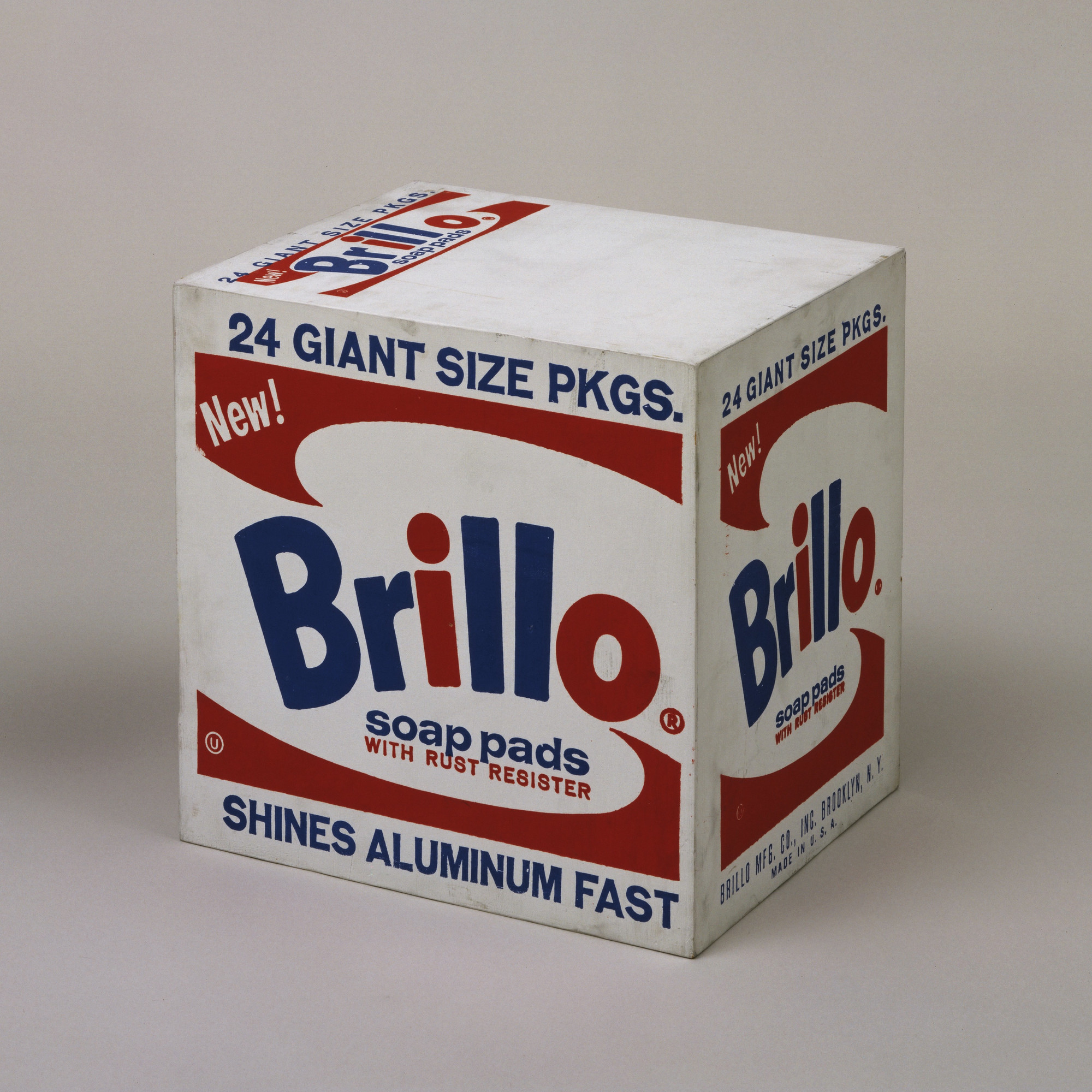
Consider boundary cases:
The openness of art
- The definitional problem endemic to art
- See ¶¶3 and 4 on p. 32
Criteria of recognition
- artifact
- made by human skill, ingenuity, imagination
- embodying certain elements and relations in its sensuous, public medium
(p. 33)
Art as evaluative expression
What does it say about ‘art’ that the expression is often used evaluatively also?