PHIL 409, Kant and the twentieth century, Fall 2026
If we could assume that the mere universal communicability as such of our feeling must already carry with it an interest for us . . .
. . . (something we are, however, not justified in inferring from the character of a merely reflective power of judgment) . . .
. . . then we could explain how it is that we require from everyone as a duty, as it were, the feeling (contained] in a judgment of taste. (§40. p. 162)
Kant, CJ §§41–42.
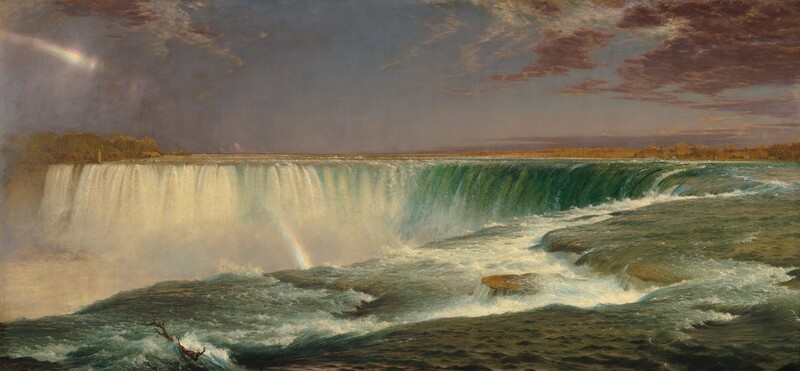
“Nature” as “nature reserve”
Note how the depiction of the falls changes. Incidentally note the people in the different paintings.
“Wherever nature was not actually mastered, the image of its untamed condition terrified” (65) - Hennepin’s engraving (1697)
Natural beauty only possible once nature has been mastered (Davies is a British Royal Artillery officer)
Natural beauty as ideology “where it serves to disguise mediatedness as immediacy” (68)
Nature as “exclusively appearance.” Church’s painting a huge commercial success. Natural beauty thus drawn into the exchange relation to which nature stands in opposition.
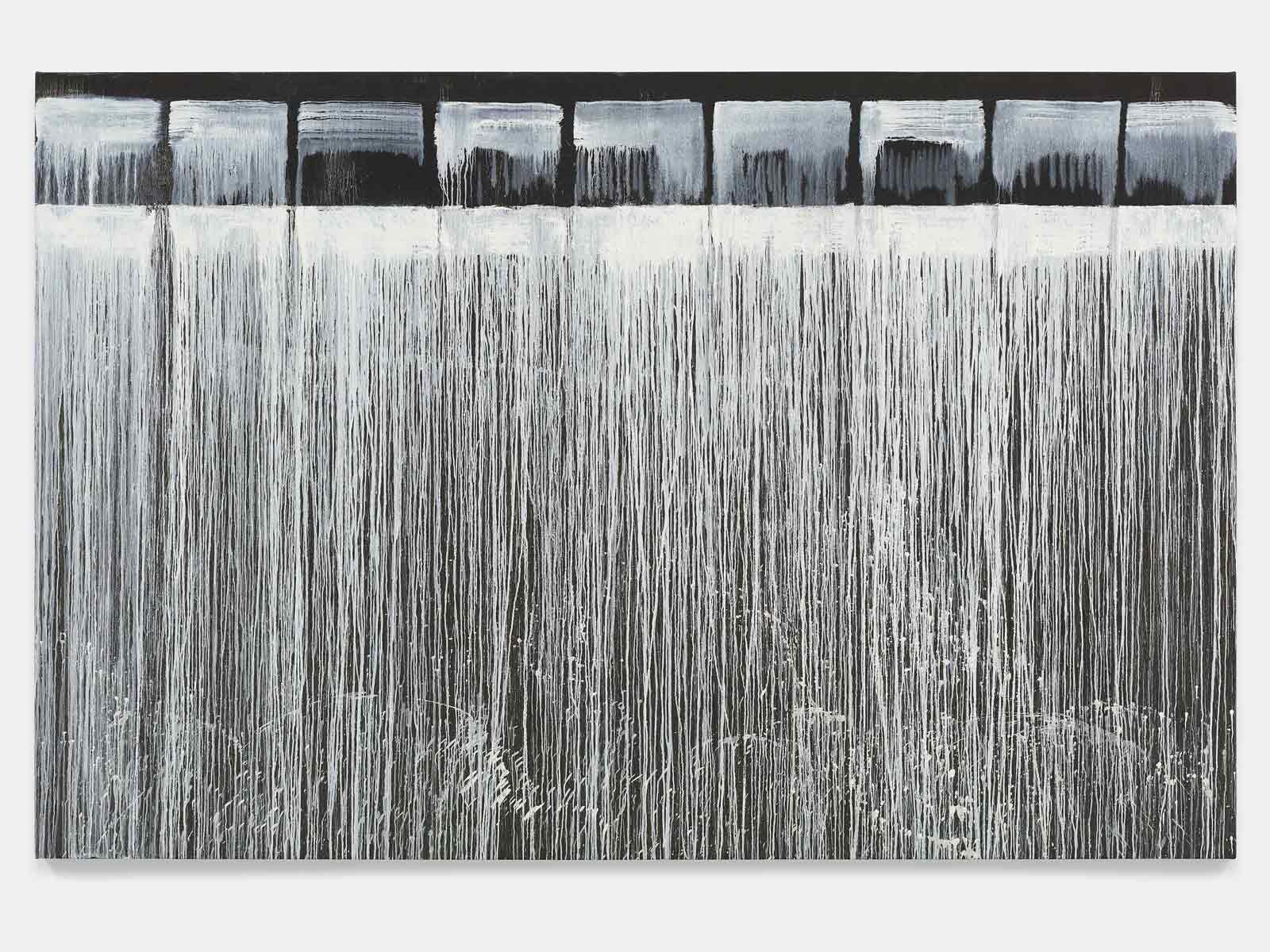
Art as nature, converging with nature in a procedural sense.